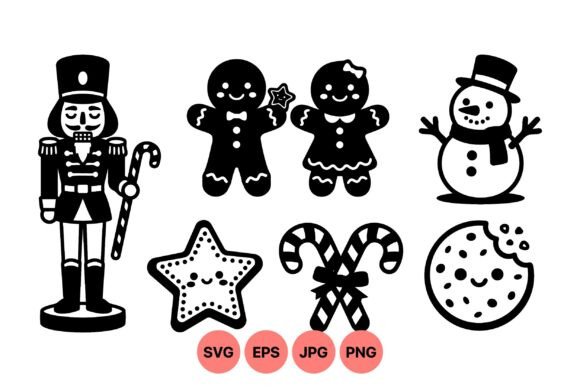
Cute Christmas Holiday Clipart: Festive Illustrations
As a graphic designer who has spent over a decade refining brand identities and creating marketing visuals for small businesses, I approach every new graphic design asset with a critical eye. It is not enough for an image to simply be pretty; it must perform under the pressure of real-world application. Recently, I had the opportunity to review Cute Christmas Holiday Clipart for a client project involving a boutique handmade candle company preparing for their seasonal launch. The goal was to create a cohesive look across packaging, social media graphics, and printable gift tags. Here is my professional assessment of how this collection holds up in a commercial design environment.
First Impressions and Visual Mood
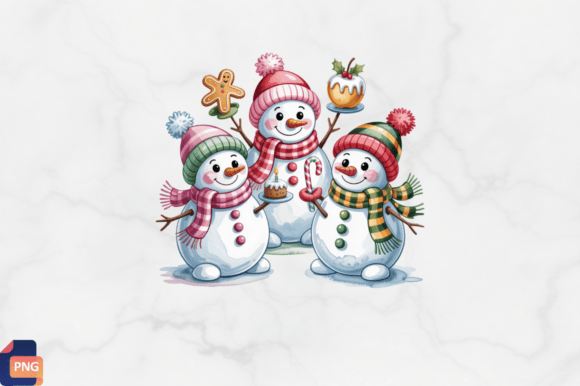
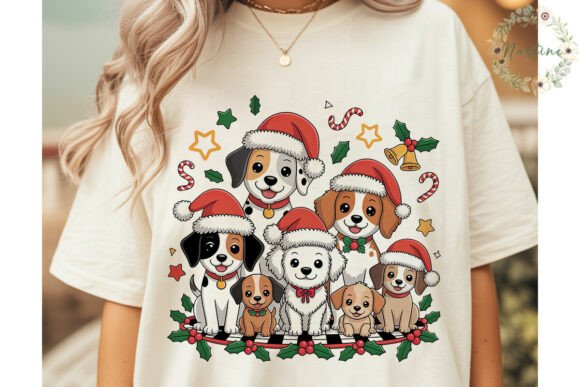
The immediate impression of Cute Christmas Holiday Clipart is one of approachable warmth. Unlike the stark, minimalist trends that dominate corporate branding, these illustrations lean into a whimsical, hand-drawn aesthetic. The lines are soft, and the color palette feels curated rather than generic. For a client targeting families or seeking a nostalgic holiday vibe, this visual language is incredibly effective. It creates an emotional connection instantly, which is crucial for small business branding where personality drives sales. However, designers must recognize that this style is specific. It fits perfectly within the realm of handmade business aesthetics but may clash with high-end luxury brands requiring sharp, geometric precision.
Versatility in Real Client Projects
In my test workflow, I applied these assets across various mediums to gauge their flexibility. The collection shines brightest when used as decorative accents in packaging design. For the candle client, placing a single character from the bundle on a kraft paper label created a charming, artisanal feel without overwhelming the product information. This is where understanding visual hierarchy becomes essential. The clipart should support the brand message, not compete with it.
Beyond physical products, these assets are robust for digital applications. I tested them in social media graphics for Instagram stories and Pinterest pins. The transparent backgrounds allowed for seamless integration over photographic backgrounds, provided there was sufficient contrast. For content creators and bloggers, these Illustrations serve as excellent header images or dividers in editorial design, breaking up text and adding seasonal flair to blog posts. Furthermore, for those utilizing Canva, these elements can be uploaded to create custom Canva template kits for clients who need quick, branded holiday posts.
Strategic Placement and Layout Considerations
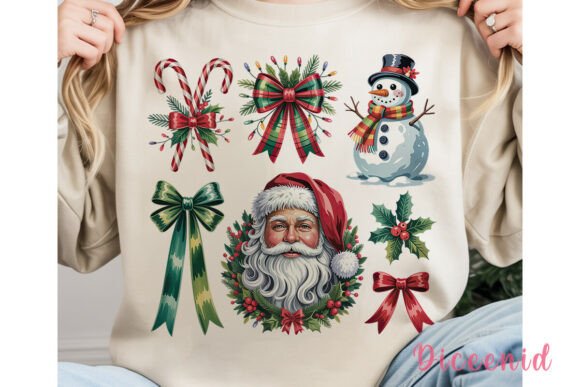
Knowing where to place these assets is half the battle. They work exceptionally well in large layout areas where they can breathe, such as hero sections on a website or the center of a holiday flyer. In product mockups, they add a layer of depth and context, making digital previews feel more tangible. For print-on-demand sellers, these designs translate well to tote bags and mugs, where the playful nature of the art complements the casual utility of the item.
However, caution is required in crowded layouts. Because the style is detailed and expressive, using multiple characters in close proximity can create visual noise. I recommend using one primary illustration per design piece, supported by simple typography. Avoid placing these clipart elements over complex photographic backgrounds unless you use a solid overlay or blur effect to maintain readability. In logo design, these might work for a temporary seasonal badge, but they are likely too intricate for a permanent, scalable logo mark that needs to remain legible at favicon size.
Technical Performance and Designer Notes
Before delivering any final files to a client, I run a series of technical checks. Here are my practical notes for other designers considering this design bundle:
- Contrast Testing: Always test the assets in black and white first. If the details disappear in grayscale, the design may lack the necessary weight for certain print applications.
- File Formats: Verify if the package includes SVG design files. SVGs are crucial for Cricut project users and vinyl cutters, allowing for clean cuts without pixelation. For web and print, high-resolution PNG design files with transparent backgrounds are non-negotiable.
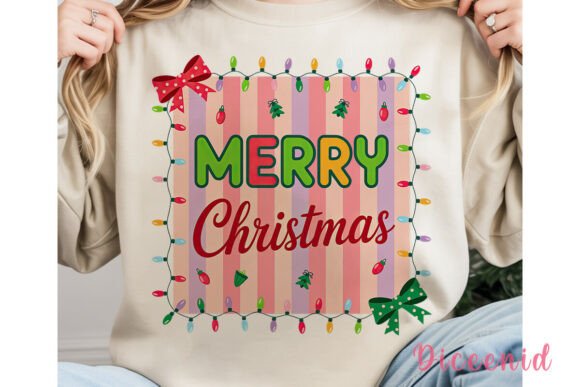
- Typography Pairing: These illustrations pair beautifully with handwritten or script fonts for a personal touch, but ensure the font is legible. For a more modern look, try pairing them with a clean sans serif font to balance the whimsy with structure.
- Print Quality: If you are creating printable design products like wall art or stickers, check the DPI. Ensure the files are at least 300 DPI to avoid blurry edges in physical prints.
- Licensing: Always confirm the commercial license terms. While many marketplaces offer broad usage rights, some restrict the number of physical units you can sell or prohibit use in trademarked logos. Protect your client by reading the fine print.
Final Verdict for Professional Use
Cute Christmas Holiday Clipart is a strong contender for designers working with lifestyle brands, Etsy sellers, and local businesses. It offers a ready-made solution for marketing visuals that need to feel authentic and festive without requiring hours of custom illustration work. When used with intention—respecting spacing, contrast, and brand consistency—it elevates the perceived value of the final product.
For digital product creators, this asset can be the cornerstone of a successful holiday campaign. Whether you are designing sticker design sheets, t-shirt design graphics, or sublimation design patterns, the key is moderation. Let the charm of the illustration speak for itself, and let your typographic choices provide the necessary structure. In the fast-paced world of creative marketplace sales, having a reliable, high-quality design asset like this can significantly streamline your workflow while maintaining a professional, polished output.