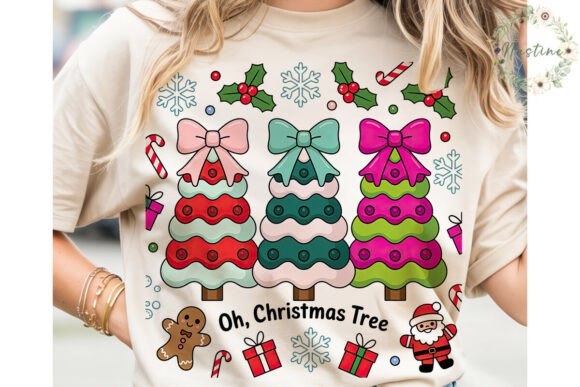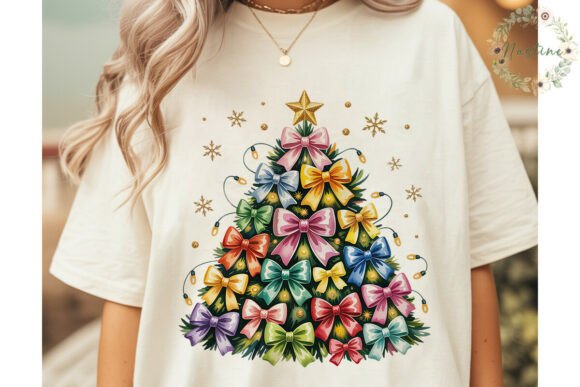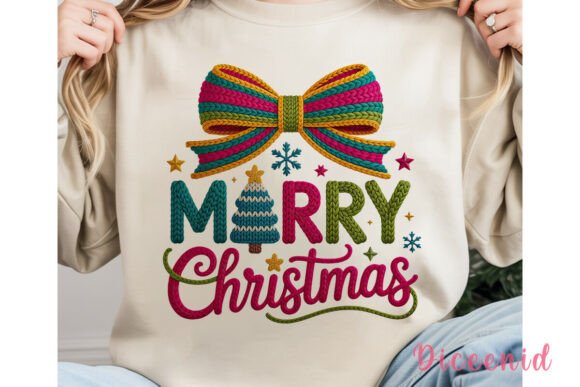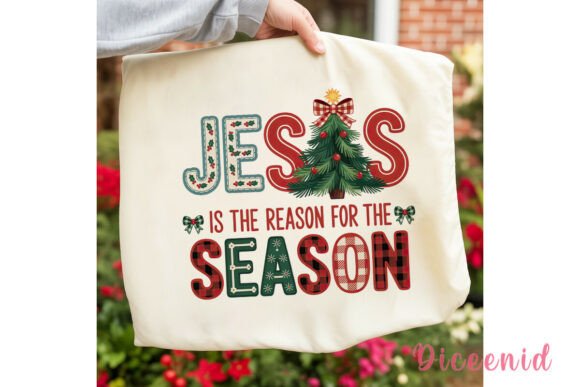
Review: Ribbon Christmas Tree Sublimation Design
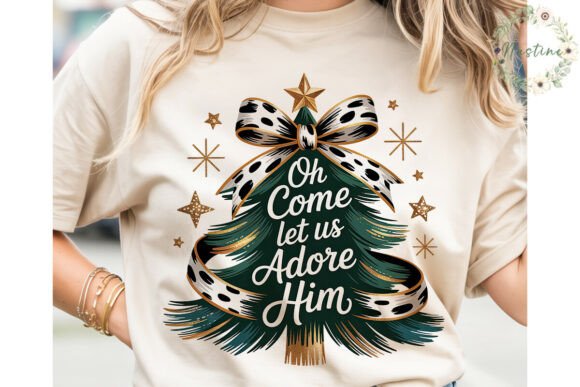
As a designer who spends half my life staring at digitized files and the other half watching needles punch through fabric, I have learned to be skeptical of holiday graphics. The market is flooded with generic trees and clip-art snowflakes that look fine on a screen but turn into a tangled mess under the press foot. However, when I first opened the Ribbon Christmas Tree Sublimation Design, my initial reaction was one of cautious optimism. This is not just another tree; it is a stylized piece from the Illustrations category that relies on flow and negative space rather than dense, heavy filling.
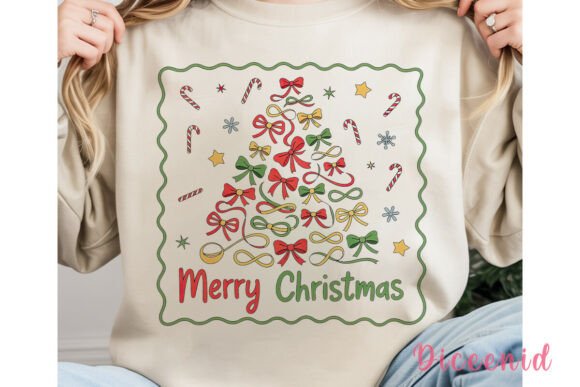
The visual personality of this design is elegant and modern. It avoids the cluttered look of traditional embroidered trees by mimicking the smooth, continuous lines of a ribbon wrap. For those of us in the craft business, this distinction matters. A design that looks like a drawing often translates poorly to thread, but this specific layout suggests a balance between artistic flair and technical feasibility. It creates a mood of sophisticated warmth, perfect for customers who want holiday cheer without the kitsch.
Real-World Application: The Holiday Tote Test
To truly evaluate any machine embroidery design, you have to move beyond the digital preview. I recently had a client request a set of reusable shopping bags for a local boutique’s holiday promotion. They wanted something festive but minimal. I pulled up the Ribbon Christmas Tree Sublimation Design to see if it could carry the weight of a standalone graphic on a canvas tote bag design.
The result was surprisingly effective. Because the design relies on broader shapes rather than microscopic details, it held its integrity on the textured canvas. The "ribbon" effect created a sense of movement that static triangular trees lack. Customers at the pop-up shop commented on how the design looked "painterly" rather than industrial. This is a key selling point for any Etsy seller or small shop product creator: the perceived value of the finished product increases when the embroidery looks intentional and artistic.
Performance Across Different Fabrics
One of the biggest challenges in commercial embroidery is versatility. Does the file work on a thick towel as well as it does on a thin onesie? In my testing, this design performed best on medium-weight fabrics. On a cotton sweatshirt embroidery project, the lines remained crisp. The open nature of the design prevents the fabric from puckering, which is a common issue with dense holiday motifs.
However, caution is needed with stretchy materials. If you are planning baby embroidery on a knit onesie, the lack of internal structure in some parts of the ribbon design might require careful attention to your stabilizer choice. A cut-away stabilizer is non-negotiable here to maintain the shape after washing. On dark fabrics, the design shines if you use high-contrast thread colors. I tested it with metallic gold thread on navy fleece, and the reflective quality enhanced the "ribbon" illusion beautifully.
Navigating Technical Constraints
While the aesthetic is strong, we must discuss the technical realities. This is a sublimation-inspired graphic, which means it may contain gradients or soft edges that do not translate directly to standard fill stitch or satin stitch techniques without proper digitizing adjustments. If you are using this as a reference for a custom embroidery file, pay close attention to stitch density.
Do not attempt to force every subtle shadow into thread. Instead, simplify the color blocks. For smaller applications, such as an embroidered patch or a cap front, you may need to scale down the design significantly. Be wary of the thinner ribbon ends; if they become too narrow, they will break during stitching or wear out quickly. Always check the minimum width of your satin columns against your machine’s capabilities.
Curved surfaces present another hurdle. Placing this design on a baseball cap requires careful hooping. The wide base of the tree needs to sit flat, or the perspective will look distorted. I recommend using a sturdy backing and possibly taping the design area to prevent shifting. For personalized gift items like aprons or kitchen towels, ensure the design is centered correctly, as the asymmetry of the ribbon wrap can look off-balance if not aligned with the garment’s seams.
Enhancing Brand Value and Customer Trust
For creative entrepreneurs, the right design asset can define a brand. The Ribbon Christmas Tree Sublimation Design offers a level of professionalism that generic clip-art lacks. When used in printable mockup previews for your online store, it signals to buyers that you offer curated, high-quality goods. It fits seamlessly into a boutique branding strategy that values modern aesthetics over traditional overload.
This design also works well for digital embroidery file sellers who want to offer something unique. By positioning it as a modern holiday accent, you attract a different demographic than the typical rustic or vintage crowd. It appeals to buyers looking for custom apparel that can transition from the office party to casual weekend wear.
Practical Designer Notes
Before you commit to a large production run, follow these steps:
- Test on scrap fabric: Always stitch out a sample on the exact material you plan to use. Fabric texture changes how the thread sits.
- Check thread contrast: Use a monochrome test first. If the design loses its shape in one color, it needs simplification.
- Review stitch density: Ensure the fill areas are not too dense for lightweight fabrics to prevent stiffness.
- Confirm hoop size: Make sure the design fits within your standard hoops without requiring re-hooping, which can cause alignment issues.
- Inspect small details: Zoom in on the digital file. Are there tiny isolated stitches that might cause thread breaks?
- Verify licensing: Before selling design assets or finished items, confirm the license terms. Some sublimation designs are for personal use only unless explicitly stated otherwise.
In conclusion, the Ribbon Christmas Tree Sublimation Design is a versatile tool for the modern maker. It bridges the gap between digital illustration and tactile embroidery. While it requires thoughtful execution regarding stabilizer and thread choice, its potential for creating high-value handmade products is significant. Whether you are decorating holiday embroidery projects for family or building inventory for your craft business, this design offers a fresh take on a classic symbol. Just remember: the beauty is in the simplicity, so let the thread do the talking without overcomplicating the process.