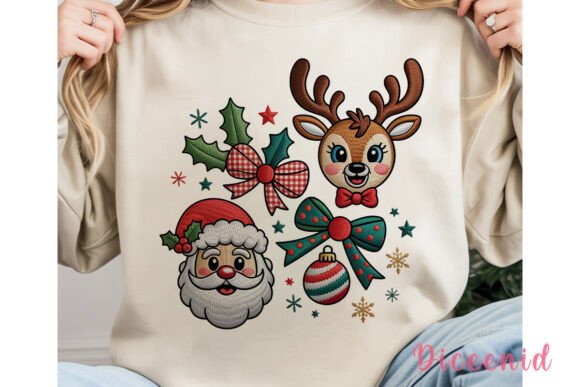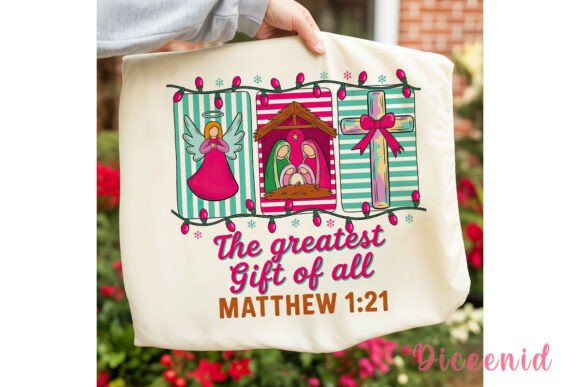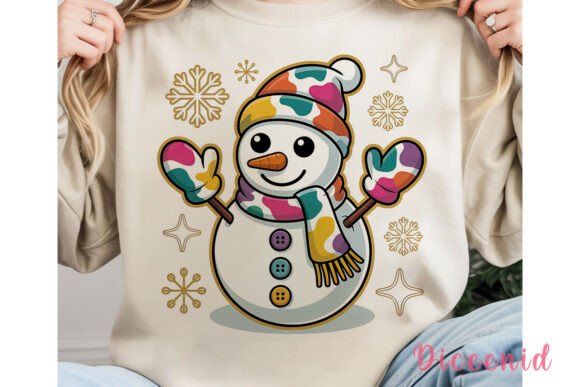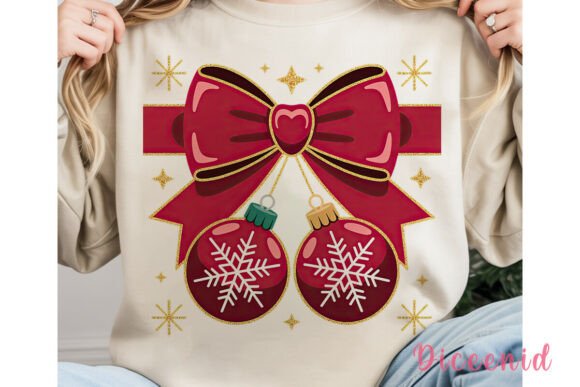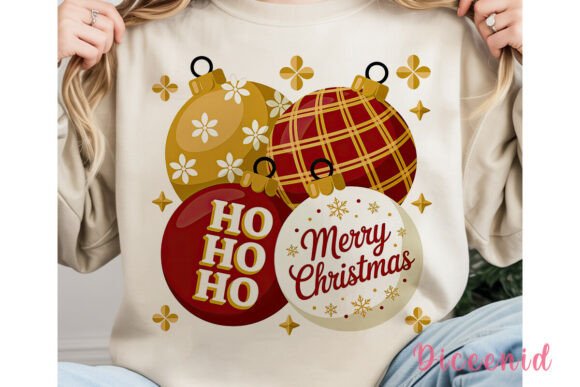
Reviewing Classic Christmas Ornaments PNG Clipart for Stitching
As a designer who spends more time staring at stitch maps than holiday movies, I approach every new asset with a healthy dose of skepticism. We have all been there: you find a graphic that looks stunning on a white digital background, only to watch it turn into a tangled mess of thread and frustration once it hits the fabric. This week, I took a close look at Classic Christmas Ornaments PNG Clipart to determine if it holds up under the needle or if it is merely another pretty picture destined for the digital trash bin.
The first impression of this collection is one of nostalgic warmth. The shapes are recognizable and traditional, evoking the feeling of a grandmother’s tree rather than a modern minimalist display. For embroidery designers, this is crucial. Complex, abstract shapes often fail to translate well into thread because the human eye struggles to interpret low-resolution curves when they are rendered in satin or fill stitches. These illustrations, however, rely on strong silhouettes and clear internal details. When I visualized these ornaments on a tote bag design, the bold outlines suggested they would maintain their integrity even after hundreds of machine cycles.
From Screen to Stitch: Real-World Application
To truly evaluate any machine embroidery design source, you must imagine it on actual products. I mentally placed these ornament graphics onto a heavy-weight cotton sweatshirt. The result was promising. Because the designs are not overly dense, they would likely sit well on textured fabrics without causing puckering. Imagine a custom sweatshirt embroidery project for a local boutique; a single, well-placed ornament on the left chest area offers a subtle yet festive touch that appeals to customers looking for wearable holiday cheer rather than costume-like apparel.
However, the versatility extends beyond apparel. I considered how these assets would perform as embroidered patch templates. If you were to digitize these PNGs into an applique design, the clear boundaries would make cutting fabric shapes straightforward. A felt applique base with a satin stitch border could transform these simple clipart images into high-value handmade product items. This approach reduces stitch count, saves thread, and speeds up production time for Etsy seller workflows during the chaotic holiday rush.
For those focusing on home decor, consider a set of kitchen tea towels. The holiday embroidery theme fits naturally here. A row of small ornaments along the hem, stitched in contrasting thread colors like deep red against cream linen, creates a charming personalized gift option. The key here is scale. Since these are PNGs, you have the freedom to resize them before digitizing, allowing you to tailor the hoop size requirements to your specific machine capabilities.
Navigating Technical Constraints and Fabric Choices
While the aesthetic appeal is strong, we must address the technical realities of working with raster images like Classic Christmas Ornaments PNG Clipart. Unlike vector files or native digital embroidery file formats, PNGs do not contain stitch data. You will need to use auto-digitizing software or manually trace the outlines to create a usable embroidery file. This step is critical. Auto-digitizing can sometimes misinterpret soft edges, leading to excessive running stitch usage or jagged satin columns.
I recommend paying close attention to stitch density during the digitizing phase. If you plan to stitch these on stretchy fabric like jersey knits for baby embroidery projects, you must ensure the design is not too dense. High density on stretchy material leads to distortion and discomfort for the wearer. Using a cut-away stabilizer is non-negotiable in these cases to maintain shape retention after washing.
Another caution applies to dark fabrics. If you are stitching these ornaments on navy or black garments, you cannot rely on the original colors alone. You must test the design in a high-contrast mockup first. Some intricate details within the ornaments might disappear if the thread color does not pop against the background. Always check your fabric texture compatibility. Rougher textures like wool coats may swallow up fine details, so simplifying the internal lines of the clipart before digitizing can save you from a muddy finished look.
Commercial Viability and Brand Consistency
For craft business owners, the question is not just "does it look good?" but "will it sell?" The classic nature of these ornaments lends itself to broad market appeal. They are safe, recognizable, and emotionally resonant. This makes them ideal for commercial embroidery projects where you want to minimize customer hesitation. Whether you are creating custom apparel for corporate holiday parties or small shop product lines for local craft fairs, these designs offer a professional baseline.
However, professionalism also means respecting intellectual property. Before listing any finished product on your online store, verify the licensing terms associated with the Illustrations you purchase. Ensure that the license covers commercial use for physical goods. Many designers assume that buying a clipart pack grants unlimited rights, but this is not always the case. Confirming these details protects your brand consistency and prevents legal headaches down the road.
Additionally, consider how these designs fit into your broader catalog. If your brand is known for modern, geometric aesthetics, these classic ornaments might feel out of place. But if your niche is cozy, traditional, or rustic, they are a perfect fit. Use them to create cohesive design assets for your marketing materials as well. A printable mockup featuring these ornaments can enhance your social media presence, showing potential buyers exactly how the final item will look.
Final Designer Notes for Best Results
Before you commit to a large production run, follow these practical steps. First, always test the digitized version on scrap fabric identical to your final material. Check for thread breaks, nesting, and registration issues. Second, inspect the small details. If an ornament has tiny highlights, consider removing them or converting them to single-stitch accents to reduce complexity. Third, compare the design on both light and dark backgrounds to ensure visibility.
Ultimately, Classic Christmas Ornaments PNG Clipart serves as a strong foundation for holiday-themed projects. It requires thoughtful digitizing and careful material selection, but the potential for creating beautiful, sellable items is high. By treating these images as starting points rather than final solutions, you can leverage their charm to produce high-quality embroidery project outcomes that delight customers and strengthen your reputation as a skilled maker.