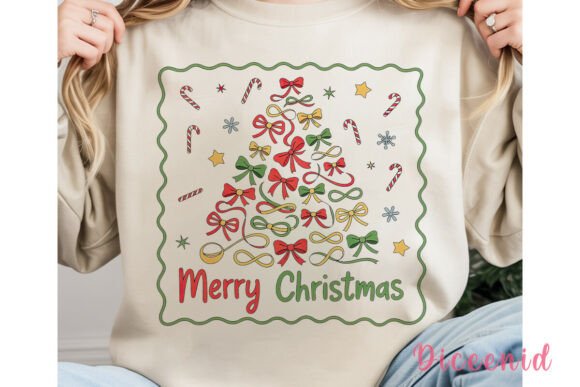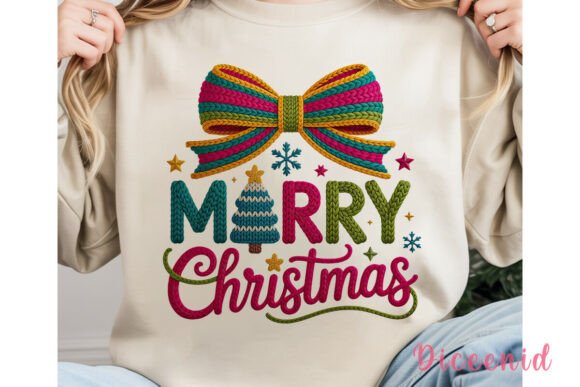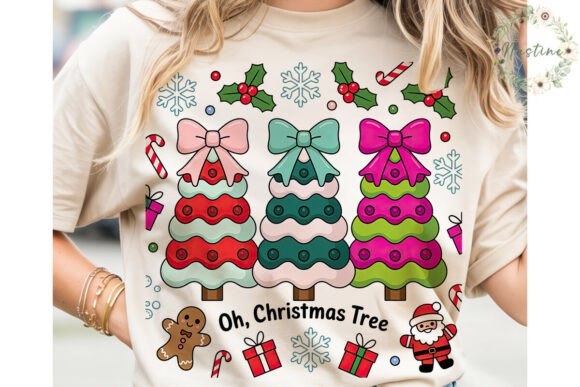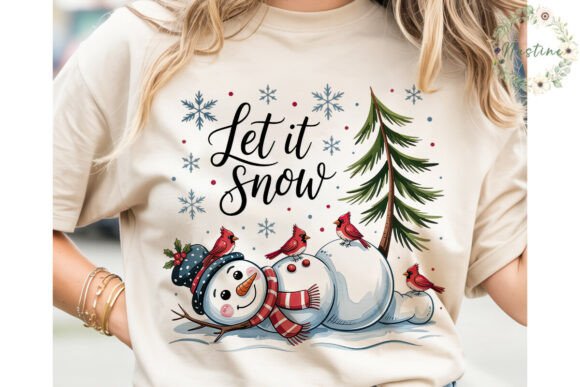
Christmas Doodle Grid Sublimation Design Review
As a designer who has spent years navigating the fine line between digital art and physical stitching, I approach every new asset with a critical eye. When I first opened the file for the Christmas Doodle Grid Sublimation Design, my initial reaction was one of cautious optimism. The title suggests a specific application—sublimation—but as an embroidery professional, I immediately began to visualize how this grid-based illustration would translate into thread. The mood it creates is playful yet structured, offering a modern twist on traditional holiday motifs that feels perfect for the current market of handmade goods.
First Impressions: Visual Personality and Layout
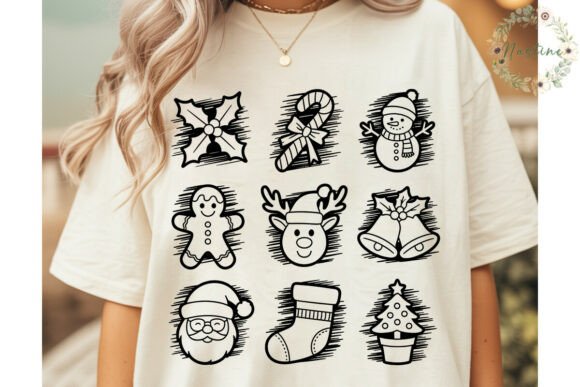
The layout of the Christmas Doodle Grid Sublimation Design is its strongest asset. Unlike sprawling, organic illustrations that can be tricky to stabilize in a hoop, this design relies on a segmented grid structure. This organization provides a natural rhythm that guides the eye across the finished product. The doodle style implies a hand-drawn aesthetic, which is highly sought after by customers looking for personalized gifts or boutique branding. However, the transition from a sublimation-focused illustration to a machine embroidery design requires careful consideration of stitch density and line weight.
In terms of visual personality, the design feels versatile. It does not scream "commercial" in a generic sense; instead, it whispers "crafted with care." For an Etsy seller or a small shop owner, this distinction is vital. The grid format allows for modular use, meaning you could potentially isolate sections for smaller projects like an embroidered patch or a cap, while using the full grid for larger applications like a tote bag design or a sweatshirt embroidery project. The detail level is moderate, avoiding the trap of being so intricate that it gets lost in the fabric texture, yet detailed enough to look premium when stitched correctly.
Real-World Application: From File to Fabric
Let’s talk about a real-life scenario. Imagine you are preparing a custom holiday collection for your craft business. You decide to use the Christmas Doodle Grid Sublimation Design on a high-quality cotton canvas tote bag. This is a staple item for any handmade shop, and the durability of the bag pairs well with the structured nature of the grid. As you load the embroidery file, you notice the potential for excellent definition. The grid lines can be executed using a sharp running stitch or a thin satin stitch, creating crisp boundaries that define each doodle element.
For a different angle, consider a baby embroidery project. Parents love soft, whimsical designs for nursery decor or baby blankets. The playful nature of the doodles fits perfectly here. However, because babies have sensitive skin, the back of the stitching must be smooth. This is where the choice of stabilizer becomes non-negotiable. A cut-away stabilizer might be too stiff for a baby item, so a tear-away or water-soluble option would be better to ensure the finished product remains soft against the skin. The design’s inherent simplicity means it won't create excessive bulk, which is a common issue with dense fill stitches on delicate fabrics.
If you are targeting the adult market with holiday embroidery for aprons or kitchen towels, the grid layout offers a clean, organized look that appeals to those who appreciate order in their home decor. The design assets within the grid can be color-matched to various seasonal palettes, allowing you to create multiple variations without needing entirely new files. This flexibility is a huge advantage for commercial embroidery projects where inventory management and variety are key to sales.
Navigating Challenges: Where Caution Is Needed
While the Christmas Doodle Grid Sublimation Design is robust, it is not without its challenges. One area that demands attention is the use of small hoop sizes. If you attempt to stitch the entire grid in a 4x4 inch hoop, you risk overcrowding the stitches, leading to puckering or thread breakage. It is often better to split the design into quadrants or select specific elements if the target garment is small, such as a cap or a sock. Curved surfaces like caps can also distort the straight lines of the grid, so testing the design on a scrap piece of similar fabric is essential before committing to a client order.
Fabric texture is another variable. On thick, textured fabrics like fleece or heavy denim, the fine details of the doodles might get swallowed by the pile of the material. In these cases, increasing the stitch density slightly or using a higher sheen thread can help the design pop. Conversely, on very thin or stretchy fabrics, the rigidity of the grid lines could cause the material to warp. Using a proper stabilizer and perhaps adding a layer of interfacing behind the embroidery area will mitigate this risk. Always remember that the goal is a flat, professional finish that maintains the integrity of the original Illustrations category intent.
Impact on Brand and Customer Trust
Using a design like this effectively impacts your brand consistency and customer trust. When a buyer receives a personalized gift or a small shop product, they expect quality. If the embroidery looks messy or the threads are frayed, it reflects poorly on your craftsmanship. The Christmas Doodle Grid Sublimation Design, when executed well, signals professionalism. The clean lines and balanced composition suggest that the maker pays attention to detail. This perception increases the perceived value of the finished product, allowing you to command a higher price point in competitive markets like Etsy or local craft fairs.
Furthermore, the versatility of the design aids in buyer engagement. By showcasing mockups of the design on different items—from a sweatshirt to a pillow cover—you demonstrate the range of possibilities to your audience. Printable mockups can serve as powerful marketing tools, helping customers visualize the final result. Whether you are selling the digital embroidery file itself or the physical goods, the clarity and appeal of the design drive conversions.
Practical Designer Notes for Success
To ensure the best results with the Christmas Doodle Grid Sublimation Design, follow these practical steps:
- Test on Scrap Fabric: Never skip this step. Stitch out the design on a piece of the actual fabric you plan to use to check for tension issues and thread contrast.
- Review Thread Colors: The doodle style benefits from high contrast. Ensure your thread colors stand out against the background fabric to maintain visibility of the grid lines.
- Check Stitch Density: If the design appears too dense in certain areas, adjust the settings to prevent puckering, especially on lighter materials.
- Confirm Hoop Size: Verify that the design fits comfortably within your hoop without stretching the fabric excessively.
- Inspect Small Details: Zoom in on the file to ensure that tiny doodle elements are large enough to be stitched clearly without becoming blobs of thread.
- Use Proper Stabilizer: Match the stabilizer type to the fabric weight and stretch to support the grid structure during stitching.
- Licensing Check: Before selling finished items or digital products, confirm the licensing terms. Ensure you have the right to use the design for commercial embroidery and resale.
By treating the Christmas Doodle Grid Sublimation Design with the respect and technical preparation it deserves, you can transform a digital illustration into a tangible, high-quality textile product. Whether you are a hobbyist making holiday gifts or a seasoned entrepreneur building a brand, this design offers a solid foundation for creative expression and commercial success. The key lies in understanding how the digital file interacts with the physical world of thread, needle, and fabric.